The Quiet Hunt
Award-Winning Author Releases New Children's Book
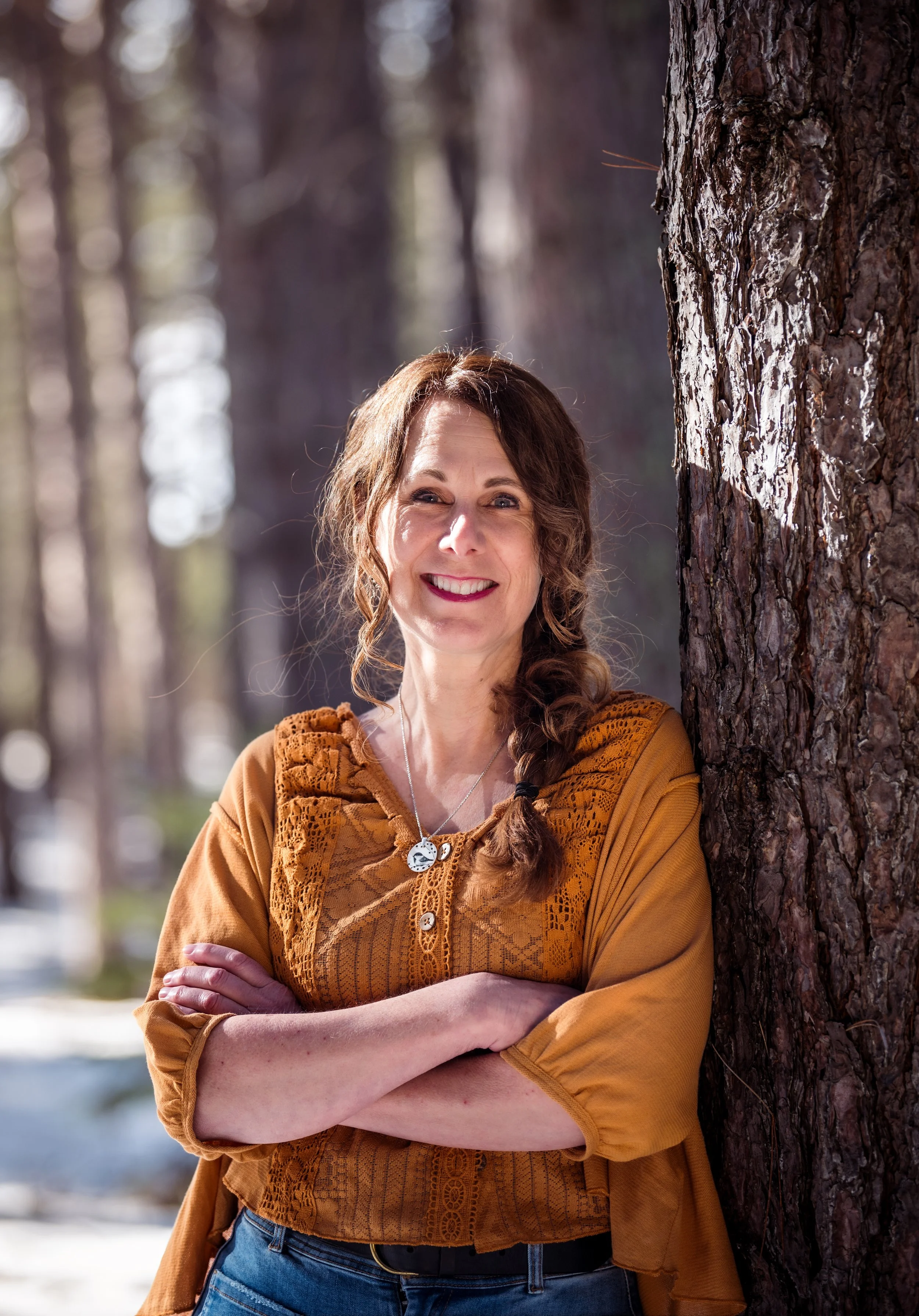
Story by Chloë Grande, Photo by Ryan Wilkie
Jean E. Pendziwol has always been a forager. As a child, she remembers plucking ripe blueberries and raspberries in the wild and gathering springtime fiddleheads with her mother.
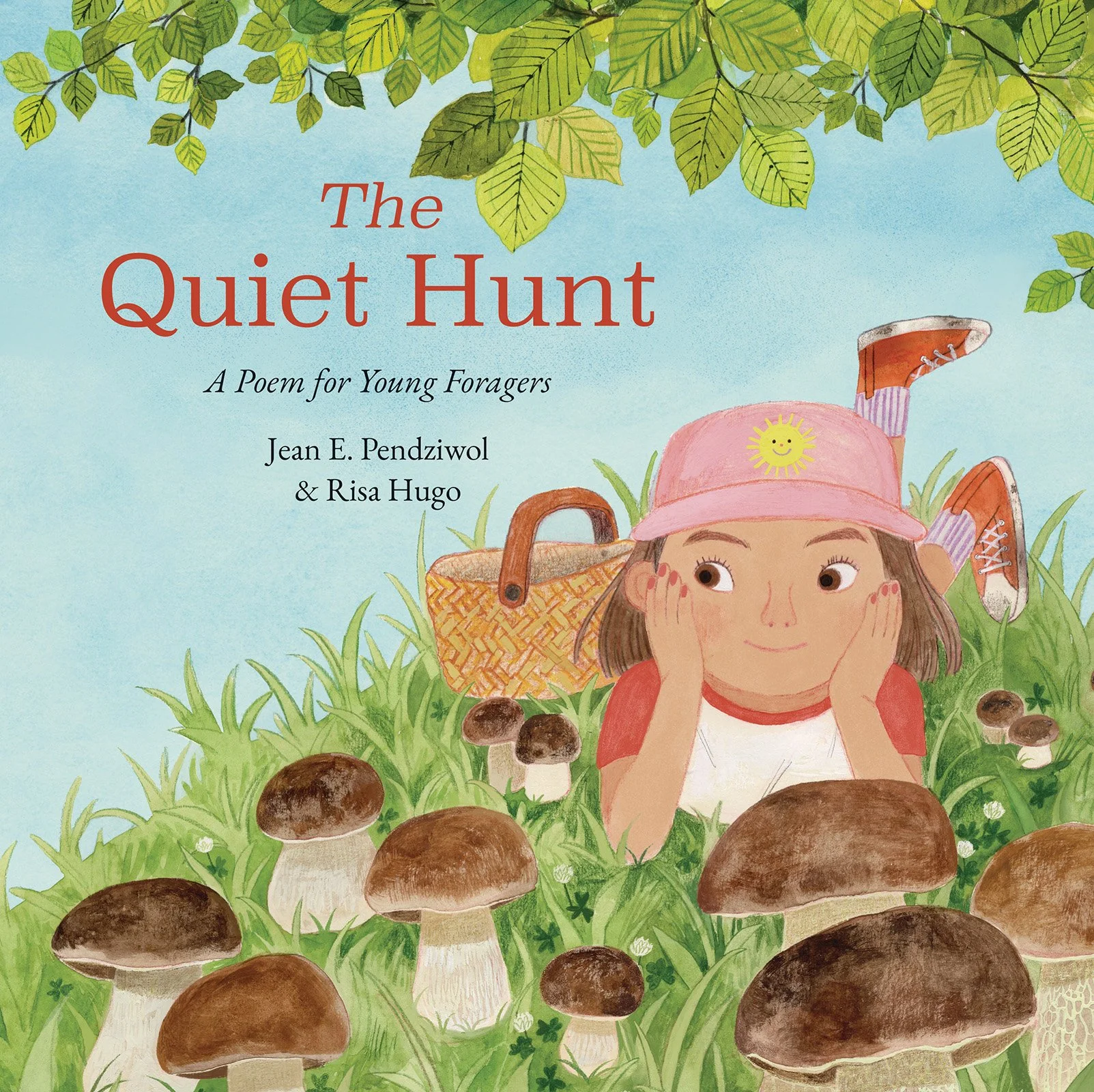
It’s fitting, then, that the Thunder Bay-based author’s latest book celebrates the act of foraging. The Quiet Hunt: A Poem for Young Foragers is a lyrical picture book that invites readers to discover the many paths to modern-day foraging through the eyes of their ancestors.
The book was born out of a conversation with Pendziwol’s agent about the resurgence of foraging, especially in North America. Pendziwol recognized a gap in foraging stories for children, but she faced a creative dilemma: how to inspire young foragers without encouraging them to sample everything they found in the bush. That’s why The Quiet Hunt is not a “how-to” book—it’s a “why” book.
“It's the importance of connecting with our natural environment, recognizing that we're part of this ecosystem—a planet that feeds us—and that this is where we all used to get our food from,” Pendziwol explains. “All of our ancestors at one time foraged for their food.”
The act of foraging may bring to mind mushrooms or berry picking, but foraging comes in many forms—think foraging for nuts, roots, seeds or edible flowers. Even wild rice has been foraged for thousands of years, Pendziwol points out.
She sees foraging as a “gateway” for getting little ones outdoors, regardless of whether their environment is urban, rural, or semi-rural. “We’re looking at the plants, we’re looking at what’s growing, what can be eaten, but even just gaining a better appreciation for the natural world and getting into that world.”
“A lot of people think that foraging is an activity that you have to do out in the ‘wilds of the wild.’ And it's not necessarily that way,” Pendziwol says. “Broadening our perspective on foods that can be consumed […] is a different way of approaching it. Whether you're going to a park or walking along a creek, it’s just about having that knowledge.”
Her words are brought to life through watercolour illustrations by Risa Hugo. The artwork beautifully depicts how different cultures around the world participate in the historic act of foraging: with sticks in hand, baskets slung over shoulders, and the vital transfer of knowledge regarding which plants are safe to eat.
The Quiet Hunt gently encourages readers to look beyond the pages and explore the roots of foraging and sustainability, perhaps even embarking on a quiet hunt in their own backyards.
The Boreal Museum will be hosting a book launch for The Quiet Hunt on March 21 from 1 to 3 pm. For more information, visit jeanependziwol.com.