
Resisting the Tide of Amalgamation
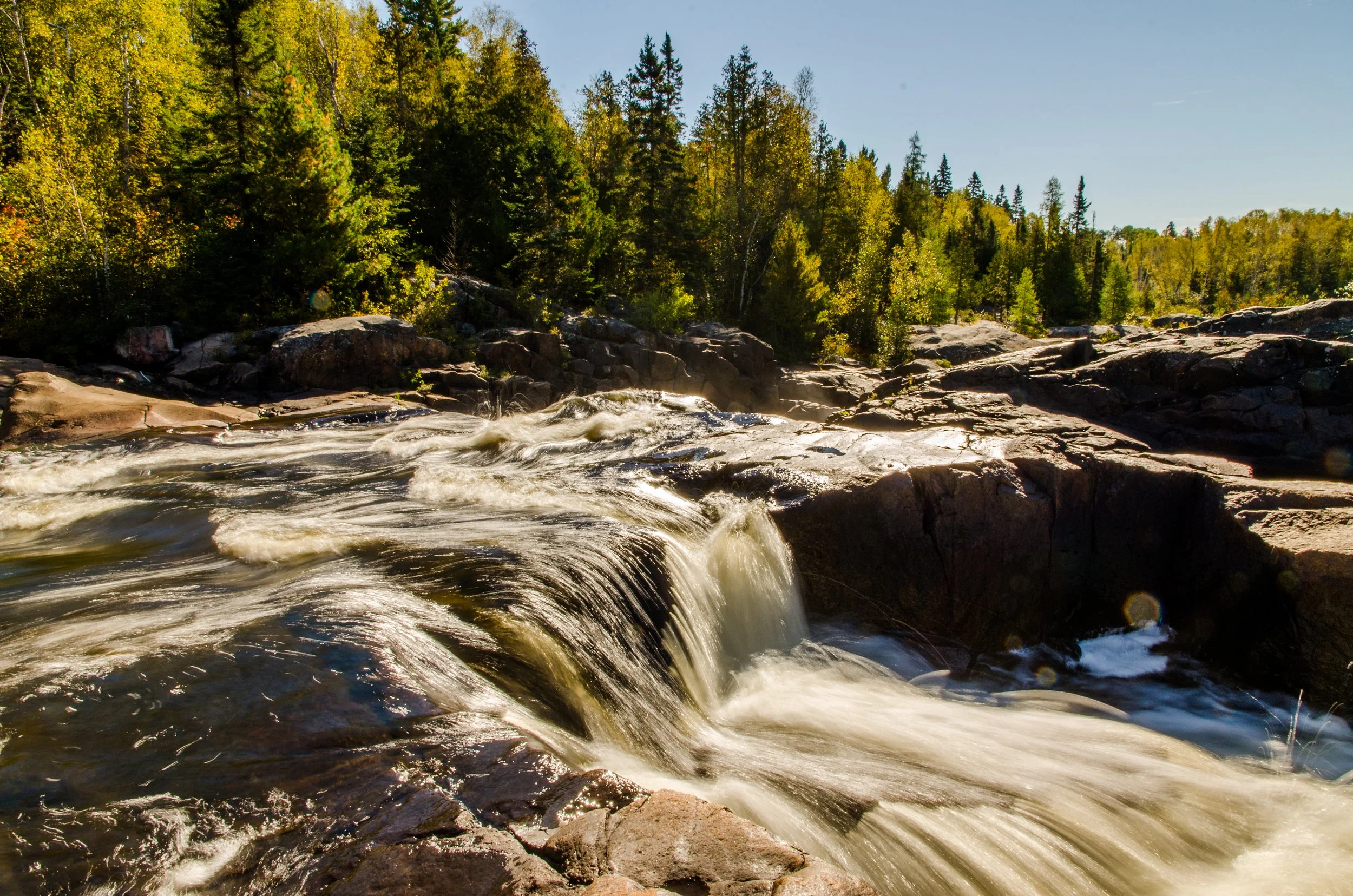
Photo by Ryan Mackett
Editorial by Marlene Wandel
A new year does not always have to mean new beginnings. The adage about not fixing what’s not broken is not always popular in politics, where leaving your mark means making change. The passing of Bill 68 last November has created this scenario of breaking, not fixing, the Lakehead Regional Conservation Authority (LRCA). The proposed—and locally opposed—amendment to the Conservation Authorities Act is intended to pave the way to establishing the Ontario Provincial Conservation Agency. Under this agency, the current 36 Conservation Authorities in Ontario would be amalgamated into seven regional conservation authorities.
As so often happens, the vast spaces in (Northwestern) Ontario are overlooked. The current plan proposes to merge the LRCA with six other conservation authorities—the remainder of which abut Lake Huron and lie 1,500 kilometres from the LRCA—into the nascent Huron Superior Conservation Authority. It doesn’t seem fitting to shoehorn in the only conservation authority on the shore of Lake Superior with other conservation authorities so far removed from our landscape, watershed, and population. Creation of a “regional” conservation authority places management and direction for our regional resources impossibly far out of our actual region.
The why is unclear. Bill 68, the “Plan to Protect Ontario Act,” was released as part of the Fall Economic statement, the subtext perhaps being that consolidation means cost savings. According to the backgrounder released by the LRCA in response to the proposed change, the LRCA is funded largely by municipal levy, self-generated revenue, and external funding, with only 5% of the operating costs coming from provincial funding. Amalgamation of existing conservation authorities is projected at minimum to increase costs and permit processing time. With “regional” level decision making and budgeting, and as the far-removed outlier within the new Huron Superior Conservation Area, this area stands to lose control of budget and asset management, and will have limited opportunity to champion local priorities and issues. As such, the LRCA’s response has been a call for the LRCA to become its own truly regional entity representing Northwestern Ontario.
The LRCA opposes the amalgamation. Residents of the Thunder Bay and the seven outlying municipalities and townships currently enjoy the extensive work of the LRCA, as well as the 10 conservation areas open to visits. In a time of climate change, and the need for the creation of new terms such as atmospheric river, polar vortex, bomb cyclone, and the most locally apropos, thundersnow, this is not the time to reduce local prioritization of flood forecasting and warning, floodway operation, erosion mapping, and source water protection, to name just a handful of the programs the LRCA operates.
Bigger isn’t always better, and in this case, dilution of local priorities under the umbrella of the Huron Superior Conservation Authority would almost literally be throwing the baby out with the bathwater. Here’s hoping the new year shows local community feedback opposed this significant drain on local conservation authority presence, and that local management of the Lakehead Watershed will prevail.