The Dating App Era
Mandatory, Miserable, and Still Here
Editorial by Chloë Grande
Ask any single person and they’ll tell you the same thing: dating apps are the worst. Yet, in 2026, they feel mandatory. How else are you supposed to meet someone?
The landscape is so oversaturated—Tinder, Bumble, Grindr, and a dozen others—that the question is no longer if you’re swiping, but which algorithm you’ve chosen to trust. More choice hasn’t led to better matches. Instead, it’s created a culture of fatigue where the human experience is reduced to a mind-numbing game of digital transactions. Even the price of admission has changed. The “free” era of the mid-2010s is long gone, replaced by constant nudges toward expensive gold or platinum tiers. Why send a regular like when you can shell out $18.99/week for a Super Like?
I got lucky three years ago when I met my partner on an app (hi, Henry!). We survived a year of long-distance before I moved to join him in Thunder Bay. But even in that short span of time, the apps have evolved into something more exhausting and unbearable.
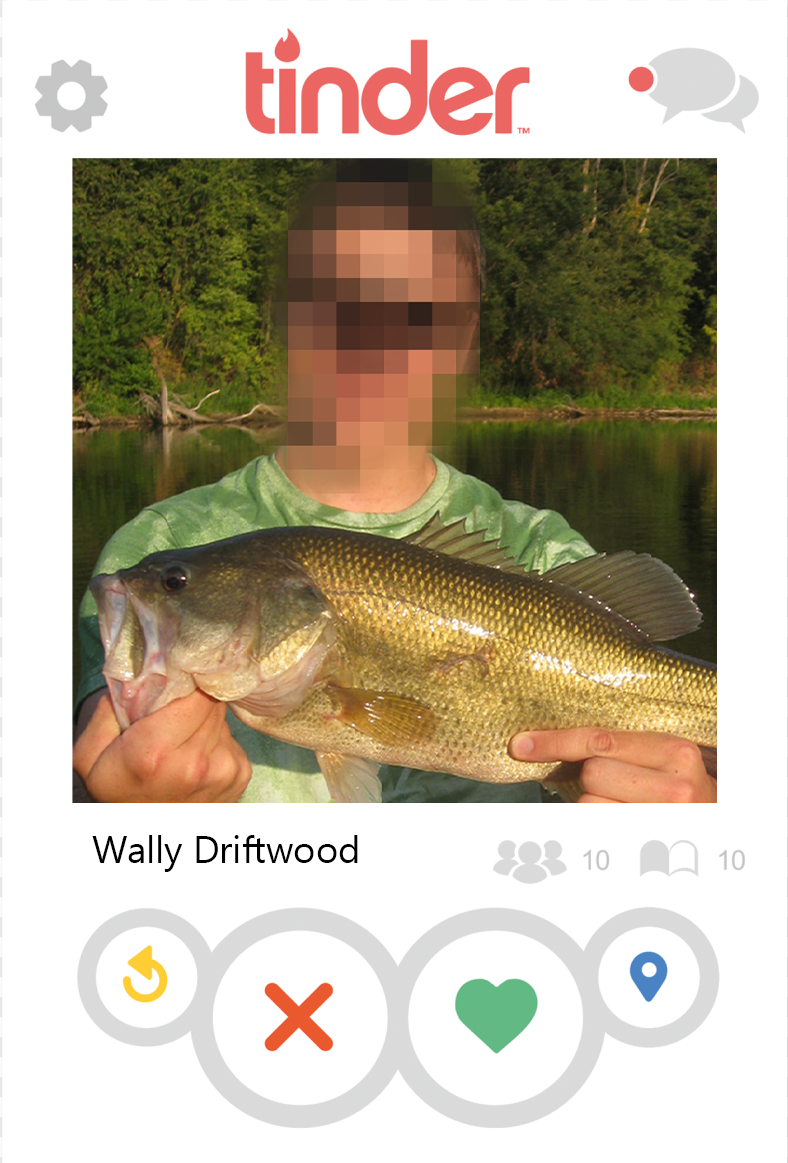
Curious about the local scene, I asked friends what dating is like in Thunder Bay. The consensus was bleak but predictable: a microscopic dating pool where you’re always one degree away from someone you know, an abundance of “holding a fish” profile photos, and the occasional rejection for “not being country enough.” Beyond the regional quirks, the darker side of online dating remains universal—ghosting, harassment, and endless dead-end conversations.
Many friends mentioned the awkwardness of seeing familiar faces. Do you swipe right or left on a coworker or classmate? Pretend you didn’t see their profile? Or acknowledge it later with an uncomfortable laugh? One friend swore off dating apps entirely after moving back to her hometown. Still, despite all the frustration, success stories trickled in: a promising hiking date here, a celebratory dinner date there.
Being new to the area and seeking friends myself, I tried the “Friend” functions on Tinder and Bumble. I built a profile describing my hobbies and interests, highlighting my ideal Sunday—brunch, crafting, and hiking—and waited. The initial dopamine hit of matching was a rush, but the overstimulation that followed was worse. Within 48 hours, I deleted the apps. Although I made one potential friend match (hurray!), I realized I was chasing validation rather than genuine friendship, which takes time and mutual effort. I hadn't even considered what I actually wanted: was it a yoga buddy, a fellow book-lover, or just a local guide to the city?
In true investigative fashion, I turned to Reddit for alternatives. On the r/ThunderBay subreddit, helpful strangers often suggest ditching the screen for in-person meetups. Popular local recommendations included Entershine’s monthly book club, Canvas & Clay pottery workshops, and Carlito’s Café board game nights.
When I shared the mixed results of my social experiment with my therapist, she suggested reframing the search as one for “connections”—a word that carries less weight than finding “the one” or a new best friend. And aren’t we all on a lifelong quest for connection? Not just wedding dates or hiking buddies, but the people who smile when you order coffee, the stranger who compliments your jacket, the ones who show up to local events even when it’s scary and they don’t know anyone else there.
Perhaps the real problem with apps in 2026 is that we’ve stripped away vulnerability and replaced it with likeability. In the end, there’s still something to be said for showing up authentically—fish photo or not.