Legacy and Looking Ahead
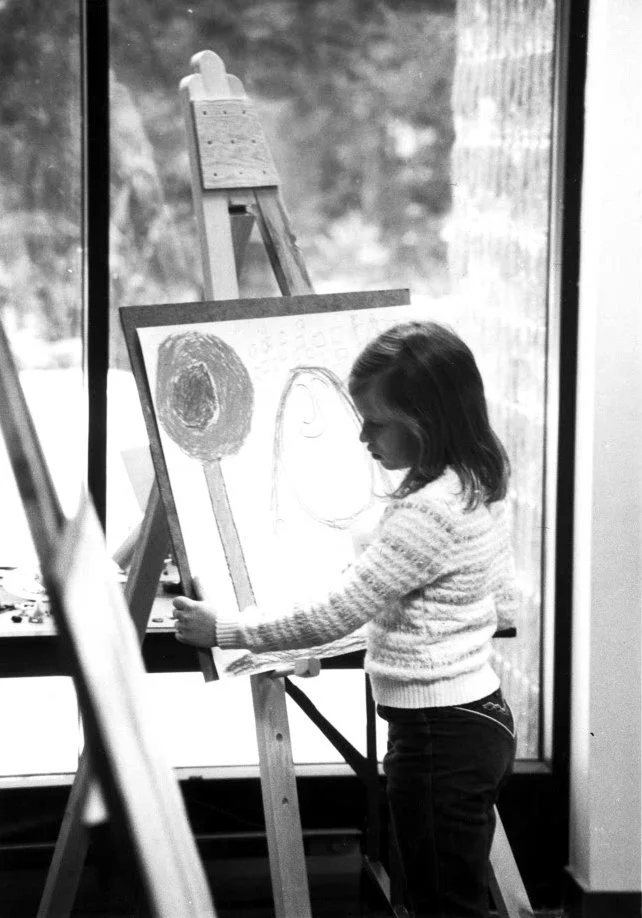
Children’s art class, 1985
The Thunder Bay Art Gallery Celebrates 50 Years
By Bonnie Schiedel
Fifty years ago, in late 1975, what we now know as the Thunder Bay Art Gallery opened its doors, welcoming the community to see exhibits that included works by Picasso, Norval Morrisseau, the Group of Seven, Ray Thomas, William Kurelek, Daphne Odjig, Benjamin Chee Chee, and Jackson Beardy. Visitors and residents alike now had a chance to be inspired by art, take classes, and to be part of nurturing and showcasing local, regional, and Canadian artists.
Back then the gallery was a 4,000-square-foot building which included 1,600 square feet of exhibition space—pretty small, but an improvement over just a few years before, when the initial collection was housed in the basement of the Thunder Bay Museum when it was on May Street. It was thanks to efforts by the Historical Museum Society board members, in particular John and Annette Augustine, that local organizers secured capital funding from the federal government to construct the gallery at the current Confederation College site.
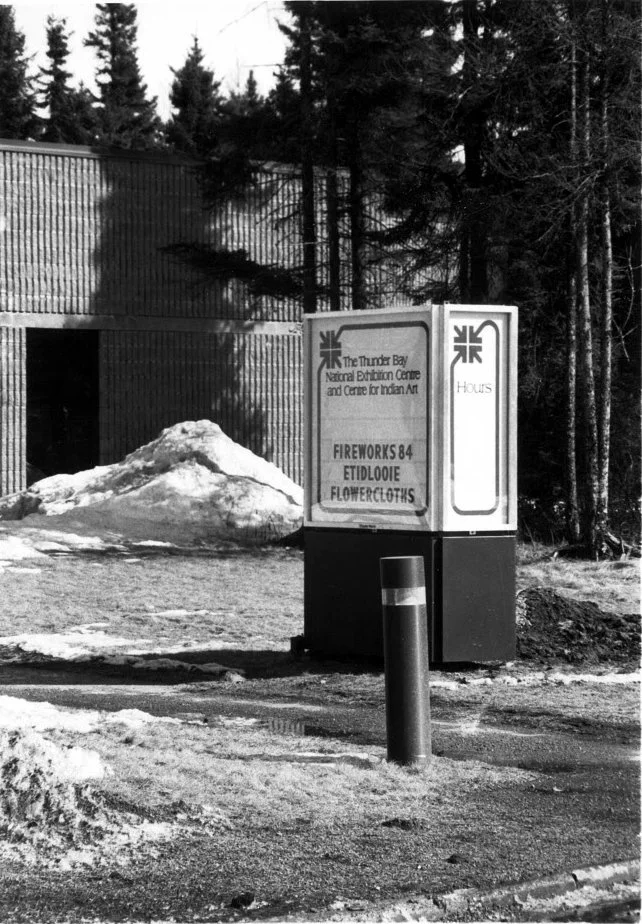

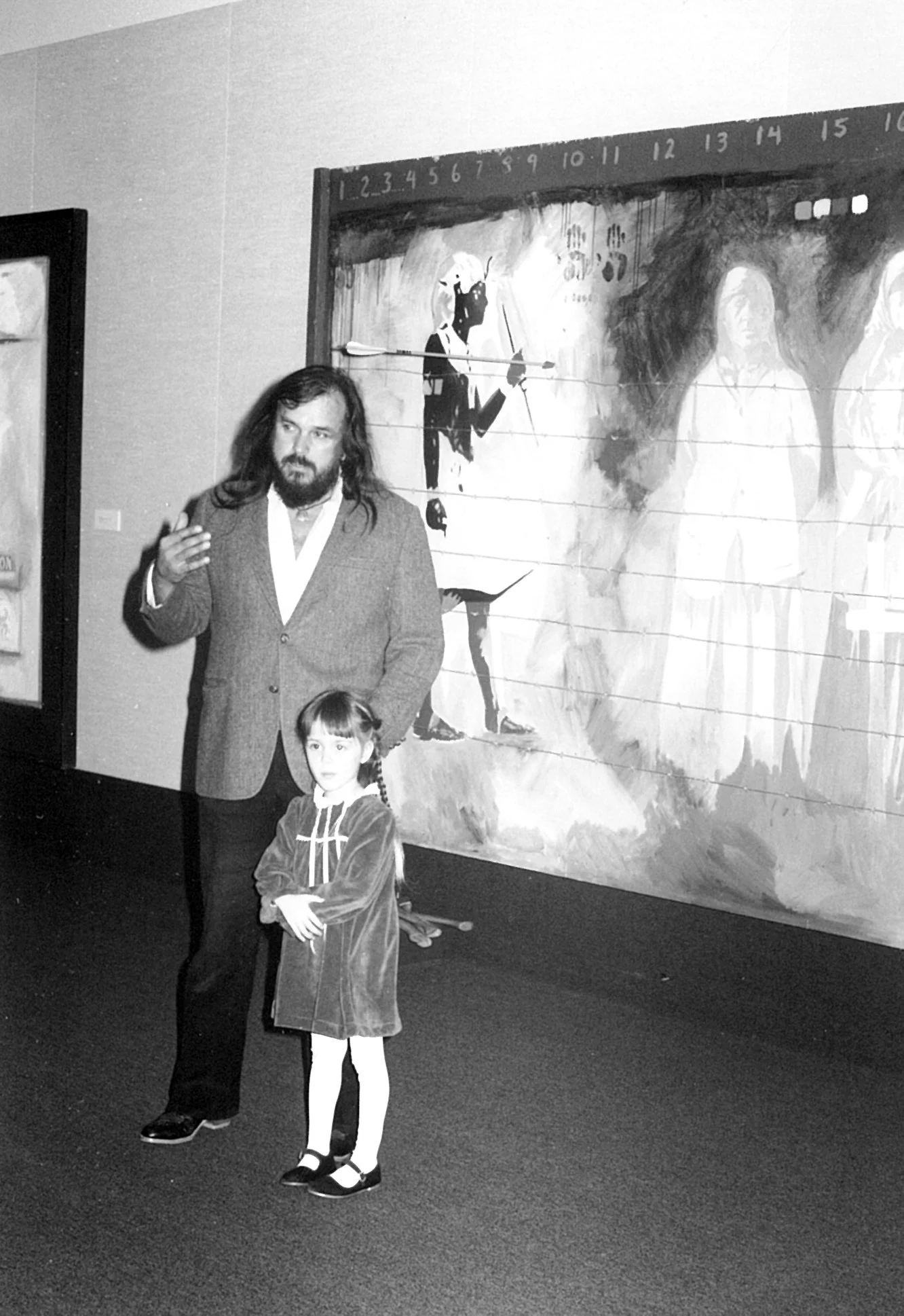
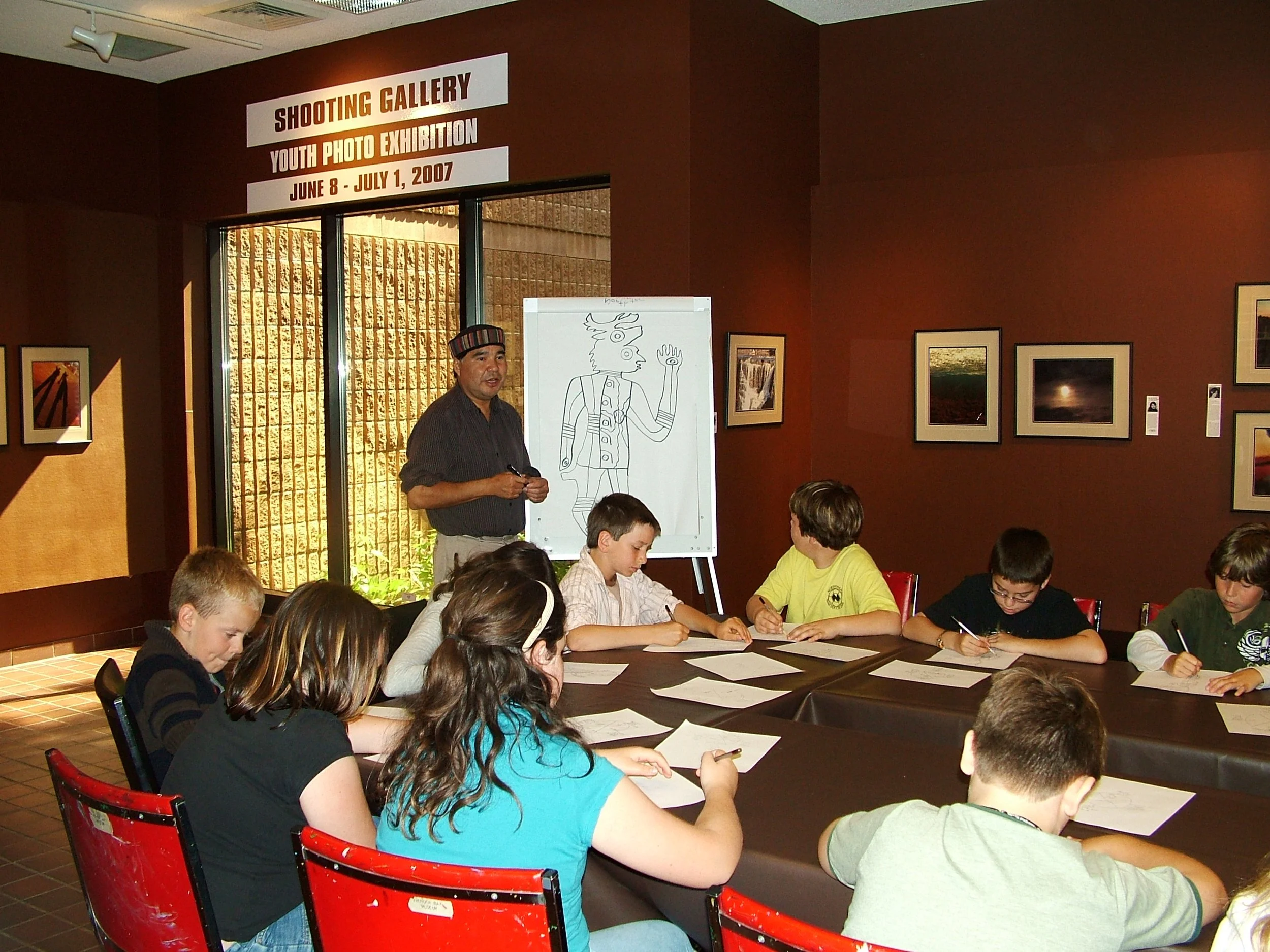

Soon, the gallery’s success led to further fundraising and expansion. The National Museum of Man in Ottawa offered a long-term loan of a significant part of its collection of contemporary Indigenous Canadian art, and an Indigenous advisory committee was formed to act as consultants for the gallery board and staff. In fall 1982, with renovations that brought the gallery space to 11,000 square feet, Thunder Bay National Exhibition Centre and Centre for Indian Art had its grand re-opening. The gallery name was streamlined to Thunder Bay Art Gallery in 1986. Today, the gallery has over 1,800 works of art in its permanent collection, and more than 30,000 people visit annually. Institutions from around the world borrow works from its collection.
What are some of the more memorable exhibitions? “With a thousand exhibitions since we opened, it is a challenge to keep the list short!” says Kamila Westerback, assistant director at the gallery. She points to the Benjamin Chee Chee exhibit in 1983, 1989’s Frances Anne Hopkins (1838-1919): Canadian Scenery, and Christian Chapman’s Don’t Eat the Fish in 2010. Uprising: The Power of Mother Earth in 2018 was another highlight. “It was the largest touring exhibition we have organized to date. Spanning more than 25 years of art-making, the exhibition [was] 35 works [by] celebrated artists Christi Belcourt and Isaac Murdoch,” notes Westerback. “It was very well-received by audiences everywhere and spent four years on tour to galleries across Canada.”
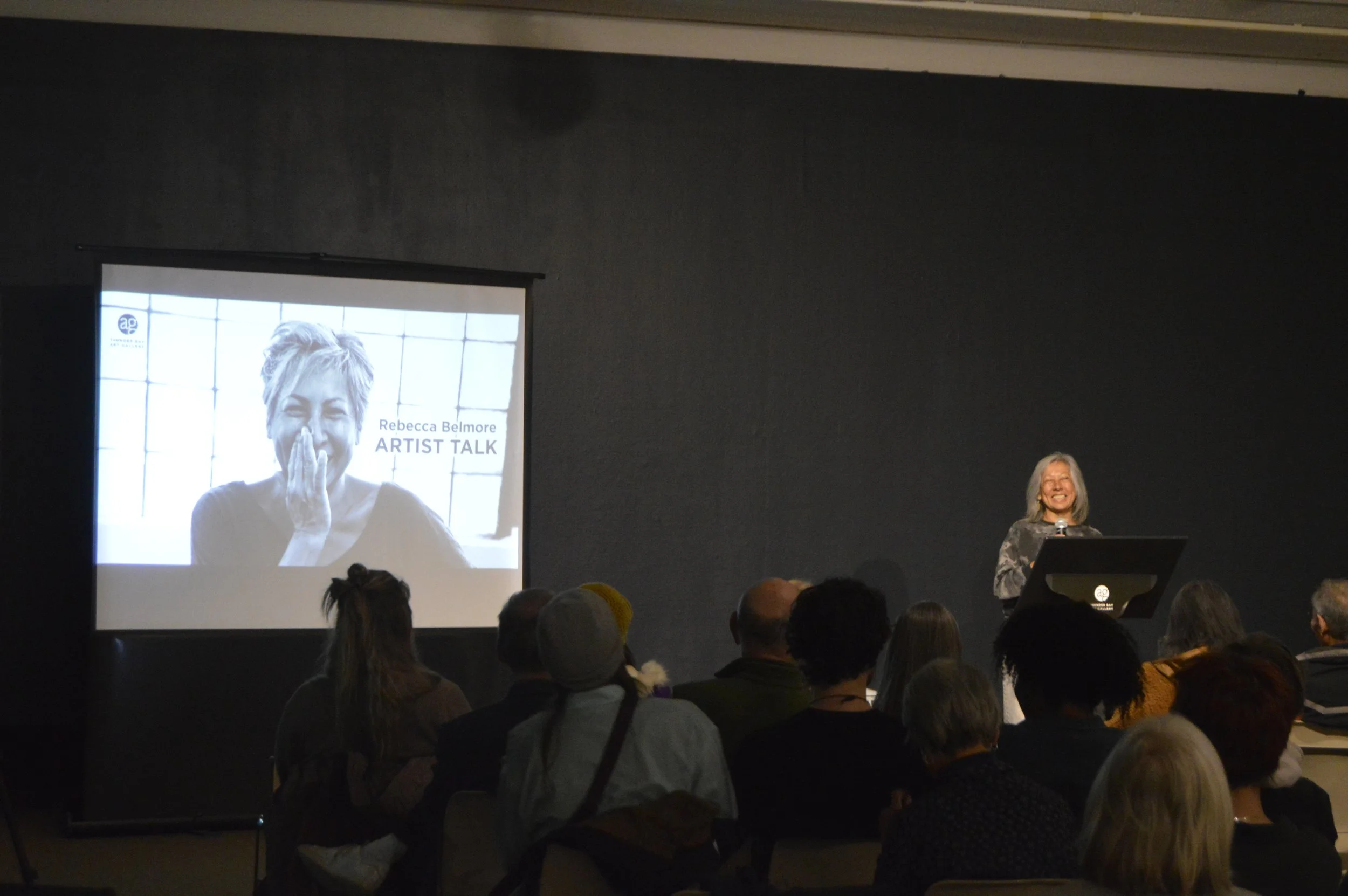
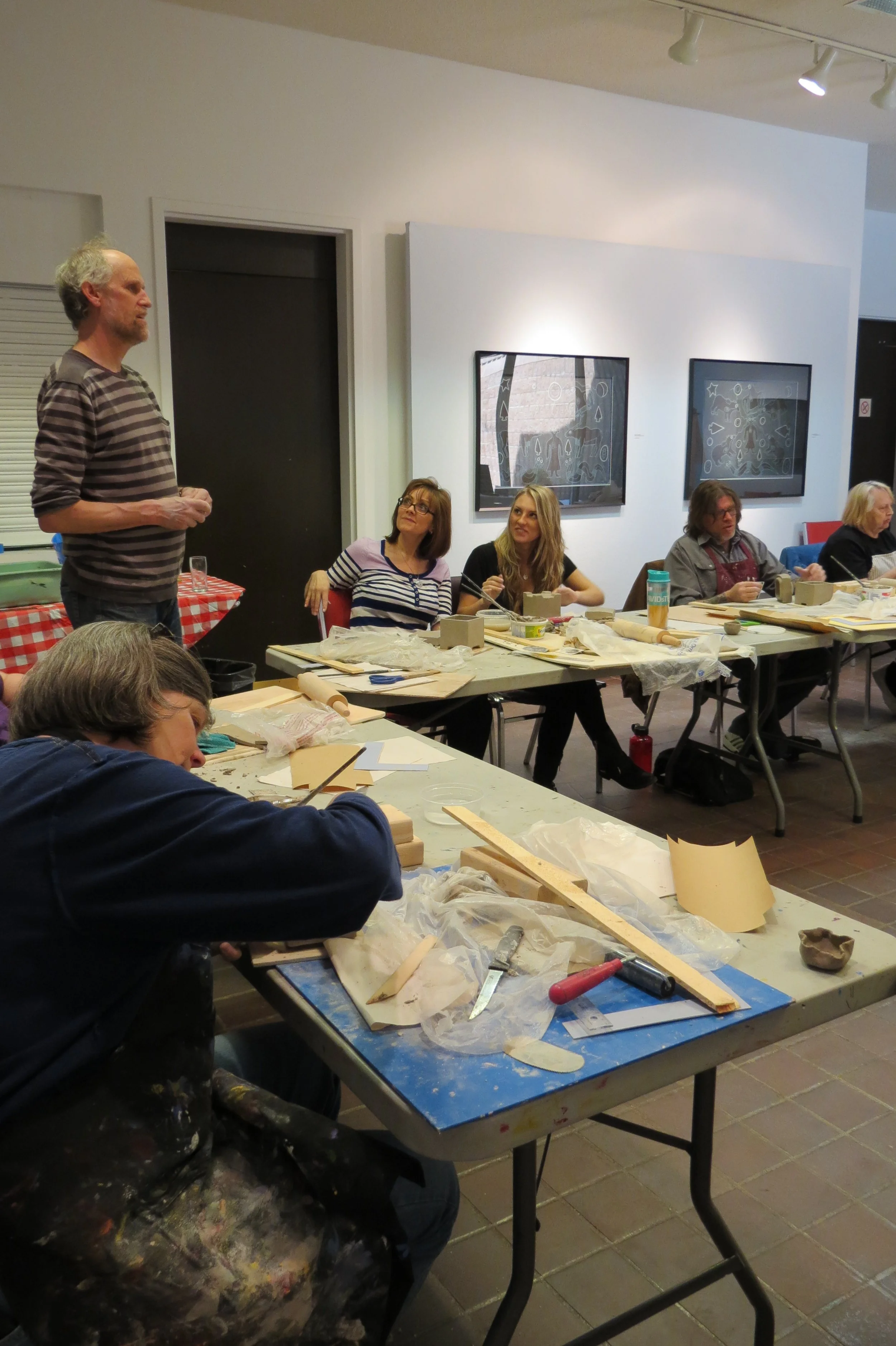

With the construction of its new, 37,500-square-foot venue at Marina Park, the gallery is both celebrating its legacy of 50 years of art in the city, and looking ahead. “It’s a chance for us to take that next step. […] I think a logical conclusion or summation of those first 50 years is that we’ve done incredible work,” says Matthew Hills, the gallery’s executive director. “This institution is award-winning, and this new facility will rise to meet the north, and meet the needs of our region, the needs of this city. It’s going to be an economic catalyst and it’s going to be transformative.”
For more information, visit theag.ca.